
🛕 Sri Maha Mariamman Temple
Origins: 1860s
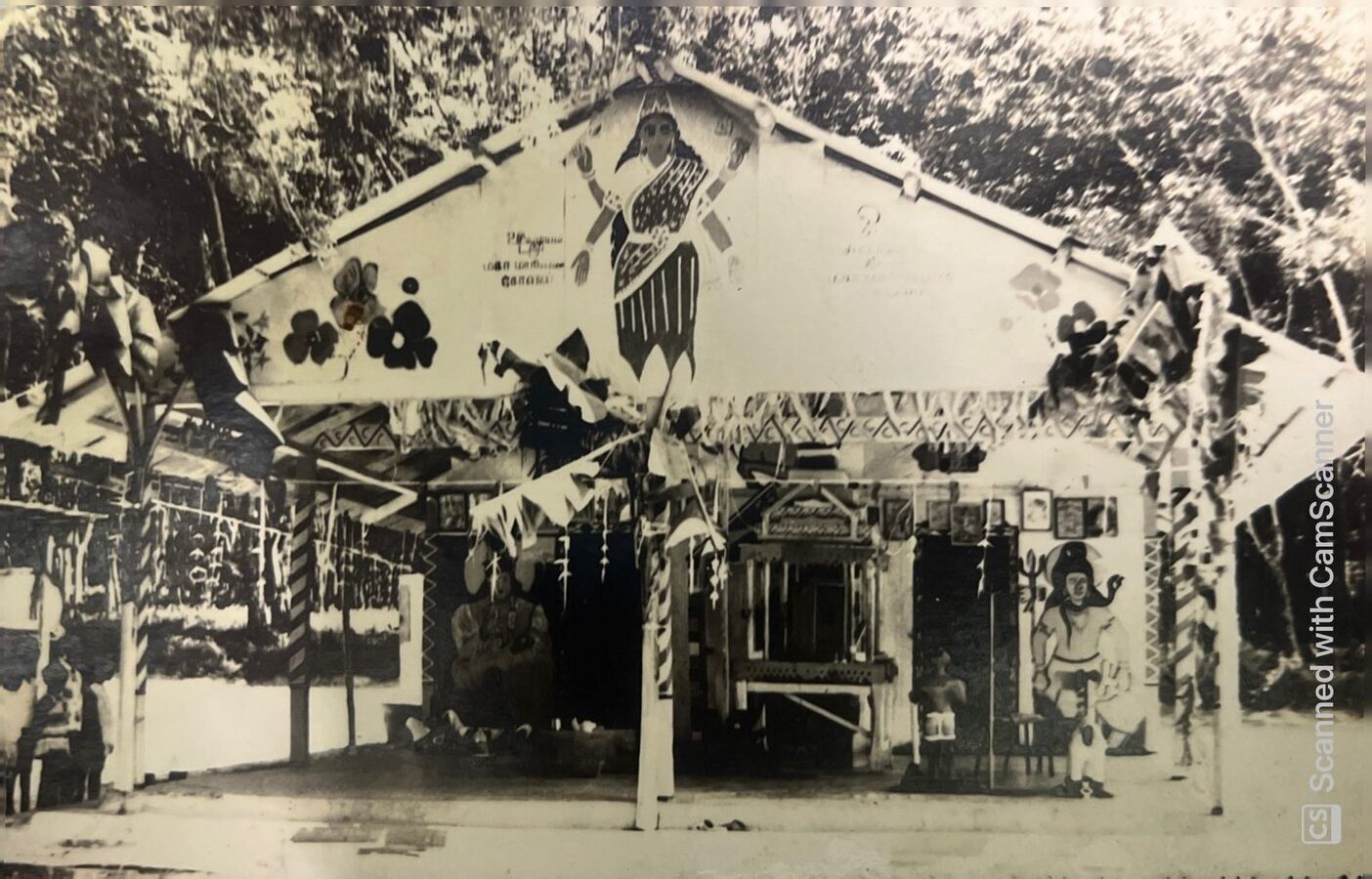
Sri Maha Mariamman Temple at Bukit Cermin, Jasin, Melaka, stands as one of the oldest and most revered Hindu temples in the region. Its roots trace back to the 1860s, when Tamil estate workers who had settled in the rubber plantations surrounding Bukit Cermin came together to establish a place of worship. These early devotees, far from their homeland yet steadfast in their faith, erected a modest shrine to Sri Maha Mariamman, the Divine Mother and protector of all who seek her grace.
The temple grew alongside the community, becoming not merely a place of prayer but the very soul of Tamil life in Jasin. Generation after generation, families gathered here to celebrate births, give thanks at harvest, seek blessings before journeys, and find solace in times of sorrow. The presiding deity, Sri Maha Mariamman, was venerated as the guardian of health, prosperity, and righteous living.
Official Registration: 10 August 1983
The temple society was officially registered on 10 August 1983, formalising the decades of devotion and community stewardship that had sustained the temple since its founding. Registration brought with it a formal structure for governance, fund management, and the long-term preservation of the temple and its traditions. During the plantation era, the temple served as the spiritual centre for workers across multiple estates in the Jasin district.
When estate closures came in 1994 as the land was converted and development changed the face of the region, many families relocated to towns and cities. Yet the thread of devotion was never severed. Devotees continued to travel, near and far, to perform their daily and weekly pujas, ensuring that the sacred flame of Mariamman was never allowed to dim. The committee worked tirelessly to maintain daily worship and all major festival celebrations without interruption.
1987 Maha Kumbhabhisegam
The most significant milestone in the temple’s recent history came in 1987, when the Maha Kumbhabhisegam was performed under the sacred guidance of Siva Sree Muthukumara Gurukkal. This grand consecration ceremony, which draws its sanctity from ancient Agamic traditions, was preceded by an intensive 48-day Mandala Puja and Sanga Abhisegam programme. Devotees gathered in large numbers each day, chanting Vedic hymns, performing abhisegam rituals, and participating in communal prayers that purified and re-energised the temple and its presiding deities.
The 1987 Kumbhabhisegam marked a new chapter in the temple’s spiritual life. Pilgrims arrived from across Melaka, Negeri Sembilan, and beyond to witness and participate in this once-in-a-generation ceremony. The energy and devotion of that occasion remains a cherished memory for those who were present, and stories of the blessings received during those 48 days are still recounted by elders in the community.

Adipuram Thiruvilla
Among the most celebrated festivals at Sri Maha Mariamman Temple is the Adipuram Thiruvilla, held annually in the Tamil month of Adi (July to August). This festival honours the goddess in her aspect as the Universal Mother, and the celebrations span several days of special pujas, alangaram (deity adornment), chariot processions, and community prayers. Devotional music, traditional nadaswaram performances, and the recitation of Mariamman Pillaittamil fill the temple compound with an atmosphere of profound spiritual joy.
The Adipuram celebrations draw hundreds of devotees each year, reaffirming the unbroken bond between the goddess and her children across generations. Community elders take pride in ensuring that every ritual is performed with the same devotion as in decades past, while younger devotees find in these celebrations a living connection to their Tamil heritage and Hindu faith.
📖 Sri Rama Alayam
Ancient Origins: Over 150 Years
Within the same sacred compound stands Sri Rama Alayam, a temple of equal antiquity and deep spiritual significance. Its origins can be traced to a shrine at Kadalayam, where it served as a place of worship for over 150 years for devotees of Sri Rama, Sita Devi, Lakshmana, and Hanuman. The Kadalayam shrine witnessed generations of devotion, its traditions passed down through families who made the worship of Sri Rama the cornerstone of their spiritual life.
Approximately 100 years ago, recognising the growing Tamil community at Bukit Cermin and the need to serve devotees closer to home, the deity was ceremonially relocated to its present site within the Maha Rajyam Temple compound. This sacred translocation was performed according to Agamic rites, ensuring the continuity of divine presence in the new location. Since then, the Rama Alayam has continued to bless devotees without interruption, a constant source of grace and spiritual solace.
1990 Renovation and 1991 Kumbhabhisegam
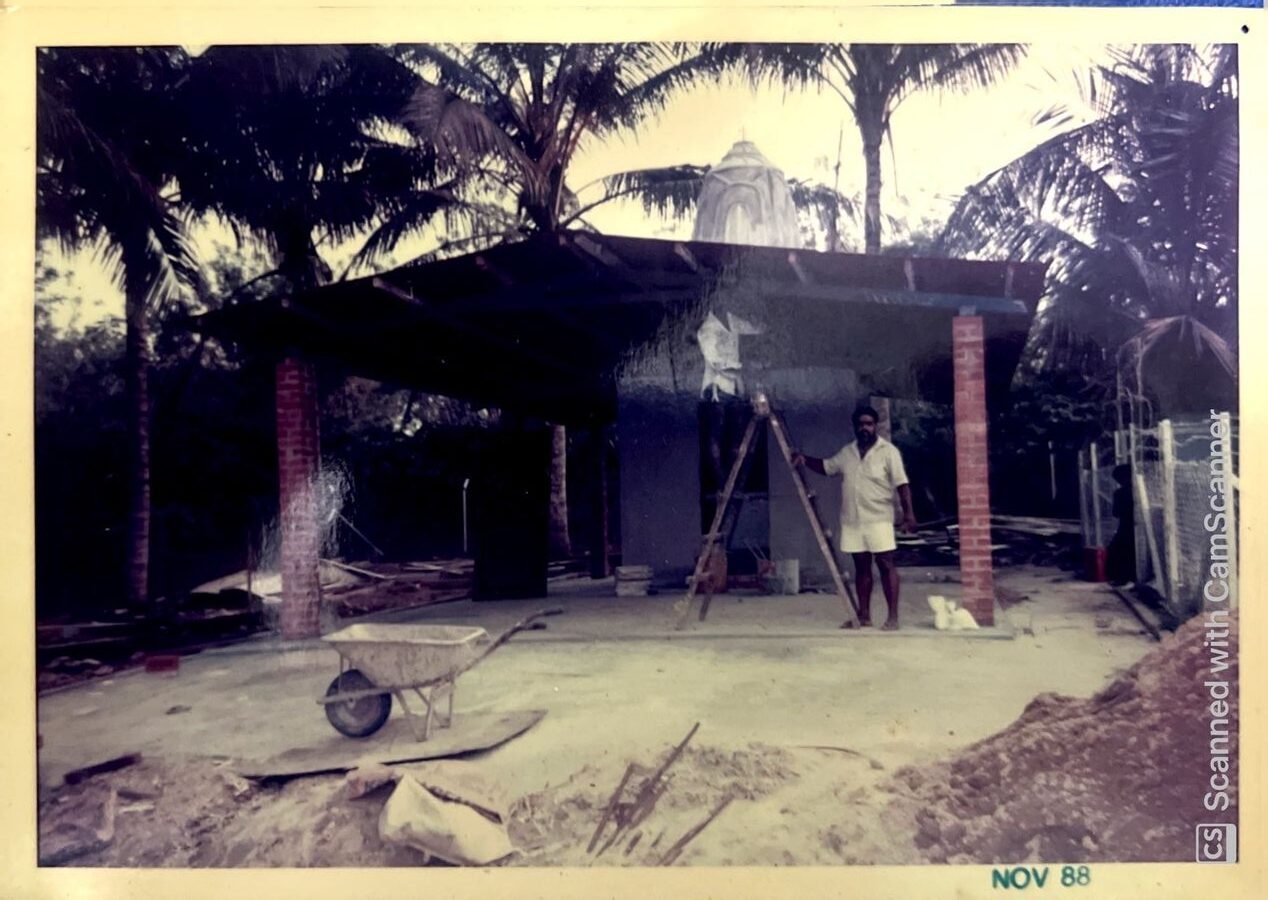
The Rama Alayam underwent a significant renovation in 1990, with the temple structure rebuilt and the sanctum sanctorum refurbished to better serve the congregation. The renovation was carried out with great reverence, and artisans took care to preserve the traditional form and iconography of the deities within. Following the renovation, the Kumbhabhisegam was performed in 1991 under the learned guidance of Ramachandran Gurukal, consecrating the newly restored temple according to ancient Agamic rites.
The 1991 Kumbhabhisegam of the Rama Alayam was a moment of great celebration for the community. Ramachandran Gurukal led the elaborate rituals with meticulous adherence to scriptural injunctions, and the ceremony was attended by devotees from across the region. The consecration ushered in a new era of spiritual vitality for the Rama Alayam, and its blessings continue to be felt by all who worship there.
Rama Navami and Puratasi Celebrations
Sri Rama Navami, celebrated in the Tamil month of Panguni (March to April), is the Rama Alayam’s most important annual festival. It marks the birth of Sri Rama with special abhisegam, Ramayana parayanam, and devotional music that continue through the day and into the evening. The recitation of the Valmiki Ramayanam and the singing of devotional compositions in praise of Sri Rama fill the temple with a sense of divine grace and celebration.
The Puratasi season (September to October), sacred to Vishnu and his avatars, also sees heightened activity at the Rama Alayam. Special Saturdays during Puratasi draw large congregations for Vishnu Sahasranamam, archana, and Sathabishegam. These celebrations preserve a living connection to Tamil Vaishnava traditions that have been an integral part of this community for generations, ensuring that the sacred teachings and practices are handed down to younger devotees.
🏗 A New Chapter: Bandar Botani Parkland
As the community has grown and expanded into new areas, the temple society has taken a momentous step forward: the construction of a new temple at Bandar Botani Parkland in the Muar and Jasin region. This new temple will carry forward the sacred legacy of Bukit Cermin, providing a modern and accessible place of worship for the next generation of devotees while honouring the traditions and heritage that have sustained this community for over 150 years.
The new temple is envisioned as a spiritual home that will serve thousands of families across the growing townships of the region. Its construction represents not just a building project but a community’s deepest resolve to keep its spiritual inheritance alive, to pass the light of devotion from one generation to the next, and to ensure that Sri Maha Mariamman and Sri Rama continue to bless the Tamil community in Malaysia for centuries to come.
We invite all devotees, well-wishers, and supporters to join us in this sacred endeavour. Your prayers, your presence, and your contributions help build not just a temple, but a living legacy of faith.